
- Product
- Solution for
For Your Industry
- Partners
- Plans & Pricing
- Resources

For Your Industry
Retailers increase margins with price intelligence by understanding competitor pricing in real time, identifying where they can safely raise prices, and automating pricing decisions based on market conditions, demand, and stock levels.
Most margin gains don’t come from raising all prices. They come from precision pricing.

Margins are under constant pressure due to:
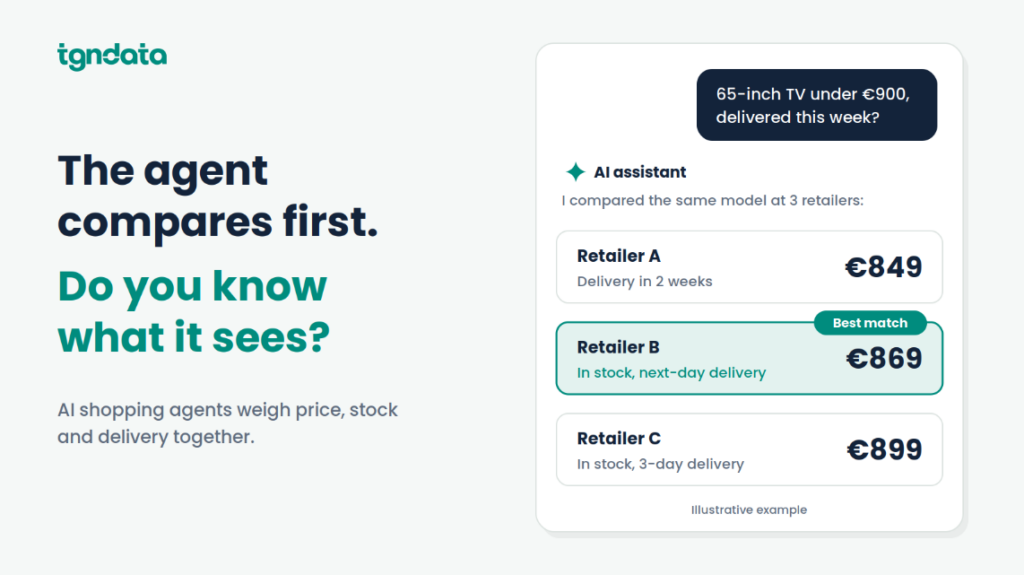
Retailers who rely on static pricing or manual checks are consistently underpriced or over-discounting.
This is where price intelligence shifts pricing from guesswork to a controlled system.
Price intelligence is not just “tracking competitor prices.”
In modern retail, it includes:
Platforms like tgndata allow retailers to track millions of SKUs with real-time updates and high data accuracy, enabling fast and confident pricing decisions.
Price intelligence software helps businesses:
👉 The result: higher revenue and better pricing control.
Most retailers assume pricing tools help them “lower prices to compete.”
In reality, the biggest gains come from knowing when NOT to lower prices.
Not every product is price-sensitive.
With price intelligence, retailers can:
These are opportunities to increase prices without losing demand.
Example:
If competitors are out of stock or priced higher, raising your price by even 3–8% directly increases margin without impacting conversion.
Without visibility, retailers often react blindly:
This creates a margin race to zero.
With price intelligence:
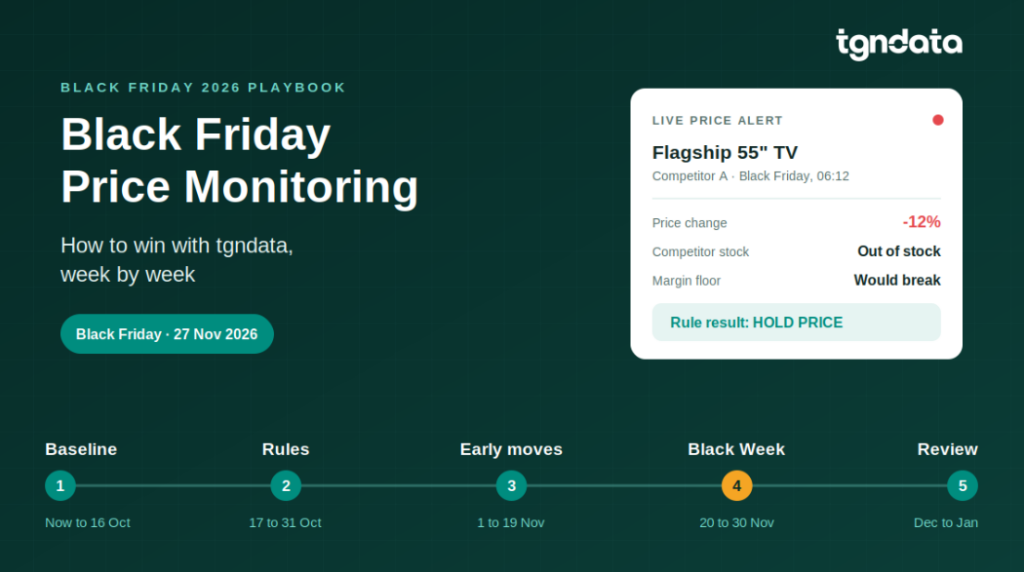
tgndata, for example, allows retailers to define pricing rules like “match median price” or “undercut only key competitors,” instead of reacting to every price change.
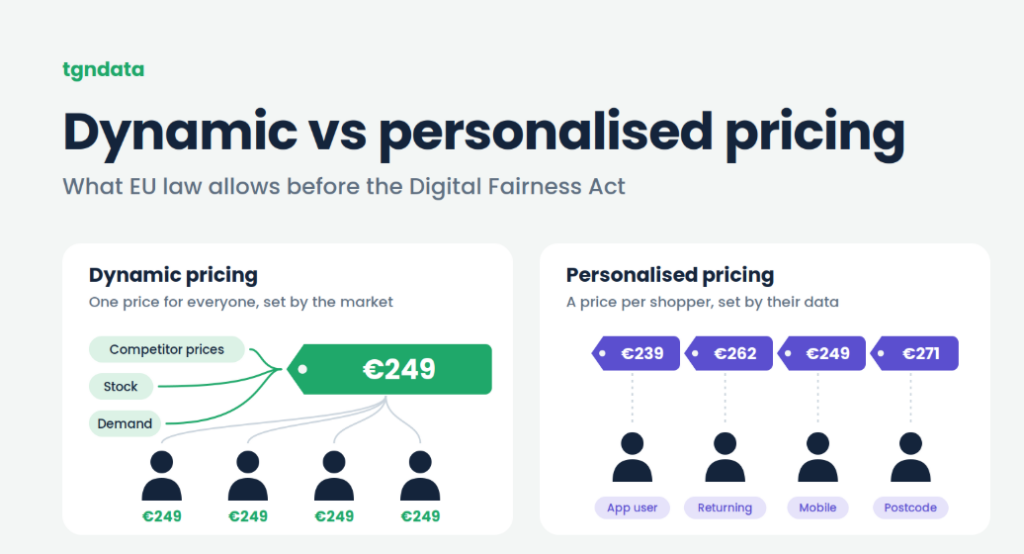
Static pricing assumes the market is stable. It isn’t.
Dynamic pricing uses:
to adjust prices automatically.
Retailers using rule-based dynamic pricing:
Some platforms report double-digit profit improvements through optimized pricing strategies.
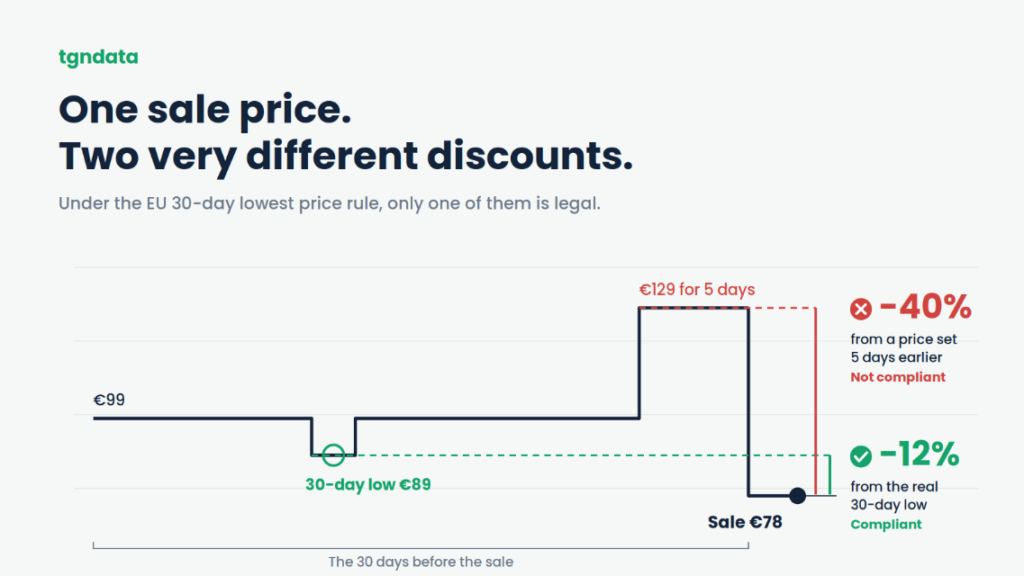
One of the biggest hidden margin leaks is uncontrolled discounting.
Price intelligence systems allow:
This ensures that:
Retailers often use promotions as a blunt tool.
Price intelligence enables:
Result:
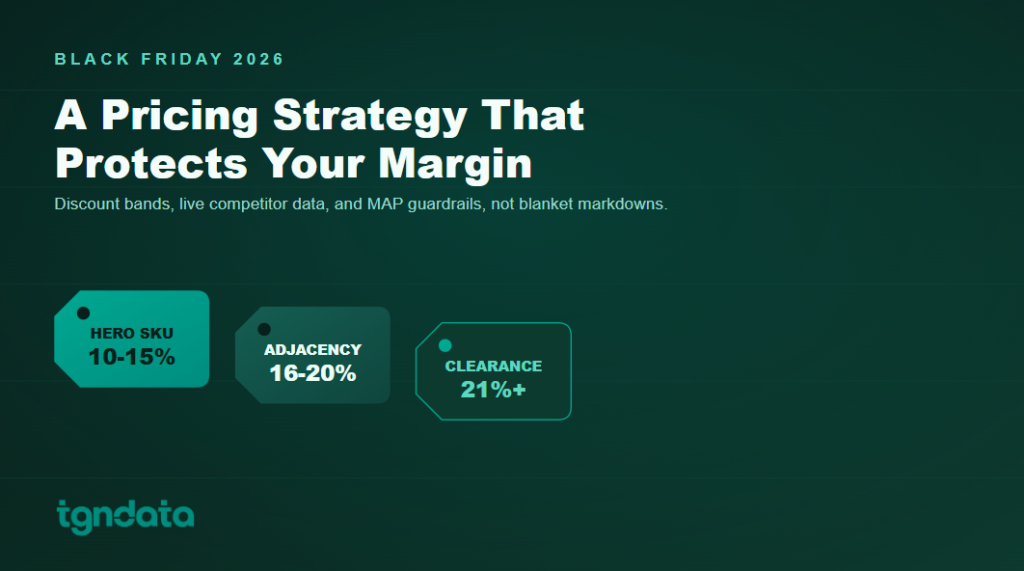
Instead of “20% off everything,” retailers run targeted promotions that drive volume without destroying margin.
Margin is not only about price. It’s about what you sell and how you price it.
With price intelligence, retailers can:
This leads to:
High-performing retailers typically follow this loop:
Platforms like tgndata operationalize this entire loop through:
Even with data, many retailers fail to increase margins because they:
Over-prioritize being the cheapest
Winning every price comparison is not profitable.
Ignore product-level differences
Not all SKUs should follow the same pricing logic.
React instead of strategize
Manual reactions create inconsistent pricing.
Lack pricing rules
Without guardrails, teams default to discounting.
Retailers who consistently improve margins with price intelligence:
tgndata is built for retailers and brands that need:
It enables teams to move from:
manual pricing → controlled, data-driven pricing operations
Price intelligence is the process of collecting and analyzing competitor pricing, market trends, and product data to make better pricing decisions.
No. The biggest value comes from identifying where prices can be increased safely while staying competitive.
Top retailers update prices daily or in real time using automated pricing rules.
Not always, but it significantly improves responsiveness and helps capture margin opportunities faster.
If you want to increase margins using price intelligence:
Margin improvement is not about one big change.
It’s about hundreds of small, data-driven pricing decisions executed consistently.
We use cookies to provide you with an optimal experience, for marketing and statistical purposes only with your consent, which you may revoke at any time. Please refer to our Privacy Policy for more information.










Missing an important marketplace?
Send us your request to add it!